
OCR Mistakes That Can Change a Document Translation

Optical character recognition (OCR) converts images of text into machine-readable characters. It is often useful for working with scanned certificates and records, but OCR output is not a faithful source by default. Errors can be subtle and dangerous where the content includes legal names, numbers or medical information. What to check OCR may confuse “O” with “0”, “l” with “1” or a decimal point with a speck of paper dust. It can also read table cells in the wrong order, omit marginal notes or merge a stamp with the body text. Translation performed solely from unchecked OCR text can convert recognition errors into apparently authoritative English prose. A source-image check remains essential. Example A scanned court reference contains “2026/01/18”; OCR reads “2026/07/18”. The translated document then appears to refer to a different date. The translator should reconcile the extracted characters against the scan rather than assuming the converted text is correct. Workflow and quality considerations Set the extraction workflow by document type. A clean letter may be straightforward to check, whereas a faded handwritten register requires specialist manual attention. Do not let AI “complete” unreadable words without labelling the inference. Maintain the unaltered scan and mark any genuinely illegible source information in the final translation. Preparation checklist The exact requirements depend on the audience, source material and technical or official process. Before work begins, define the approved inputs and who will review the result. Use the clearest available complete scan or source file. Compare all proper names, dates, amounts and references with the image. Review OCR table order, stamps and handwritten annotations. Flag uncertainty instead of constructing plausible missing words. Certify only the language work actually supported by the visible source. Important limits A fluent OCR-derived translation cannot authenticate or repair an altered or illegible original. Keeping the result accurate after changes Changes to the source, design or user journey can make a previously checked translation outdated. Maintain the source version, glossary and review status, and recheck material that has been updated. Where text carries legal, clinical or safety significance, substantive meaning must take precedence over convenient layout or marketing preferences. Frequently asked questions Is automated checking sufficient? Automated tools can identify many technical or consistency issues. They cannot independently establish the intended meaning or appropriateness of every term, especially with ambiguous source content. Does translation make the material officially compliant? No. The product owner, recipient or appropriately qualified specialist must determine the applicable non-linguistic requirements. Related service Explore related language services or send a project enquiry with the languages and intended use. Reviewed October 2026. General guidance; official and technical requirements may change.
Handling Tracked Changes in a Translation Workflow
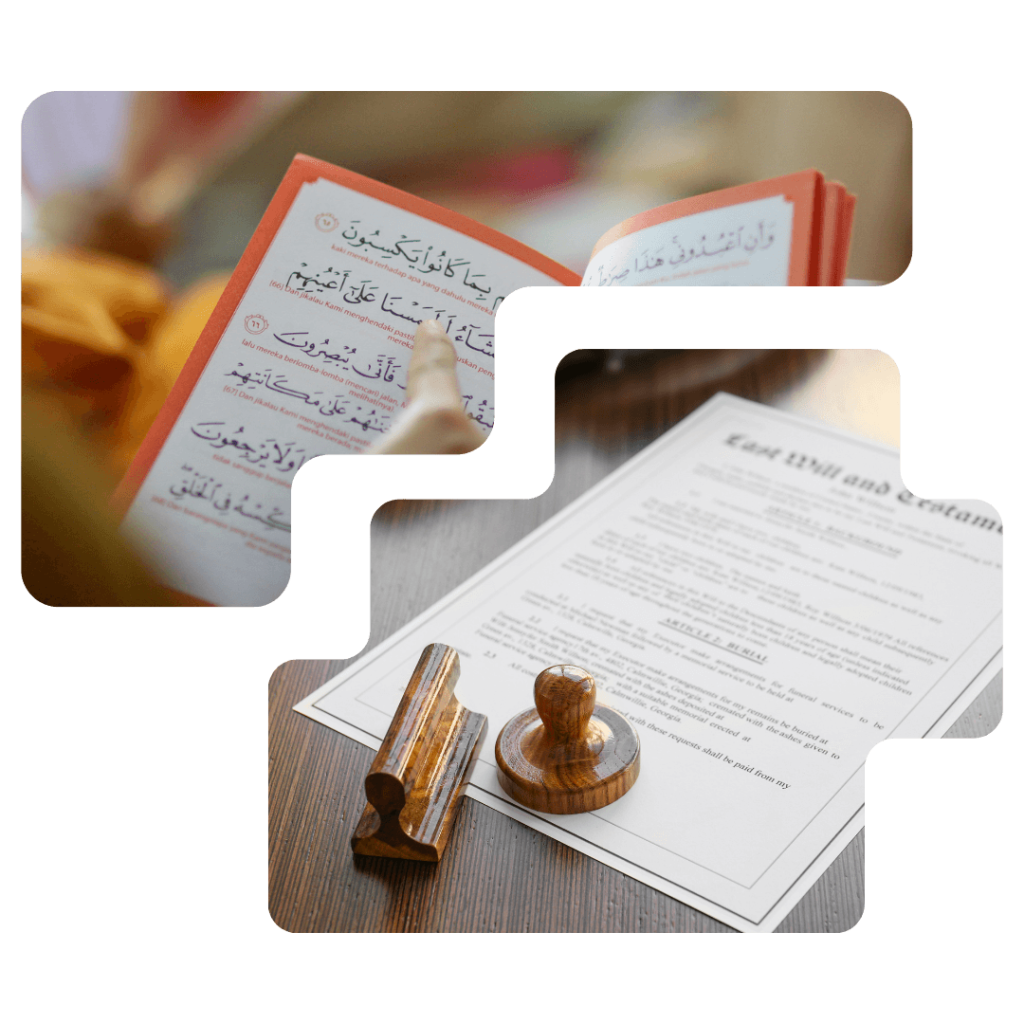
Legal, technical and commercial documents often pass through several rounds of edits. If one language version is updated while another remains unchanged, the translated file can misrepresent current obligations or specifications. A structured process for tracked changes helps each translation stay linked to the correct source. What to check Start by identifying a clearly approved source version. Decide whether the translation should mirror the current clean text, show redlines or contain a bilingual comparison table. Word’s tracked changes can retain insertions and deletions, but a translated sentence may be restructured, making character-by-character mirroring impossible. The reviewer needs an accurate statement of what changed, not necessarily matching coloured text in the same physical location. Example Counsel changes “may terminate on 30 days’ notice” to “may terminate on 90 days’ notice”. An older translated contract still says 30 days. A change report should flag that source revision, and the translated clause must be updated and reviewed before the file is used. Workflow and quality considerations A change log can record document ID, revision, changed source clause, translator action, review status and sign-off date. Do not silently update a previously signed accuracy certificate to cover a new source without appropriate review. Where amendments introduce new defined terms, update the approved glossary too. Related guidance: editable pdf versus scanned translation. Preparation checklist The exact requirements depend on the audience, source material and technical or official process. Before work begins, define the approved inputs and who will review the result. Identify the legally or operationally approved source version. Agree clean translation, bilingual redline or change-summary output. Track additions, deletions and altered figures against source clauses. Review cross-references and defined terms after revisions. Retain older versions and release a clearly labelled final translation. Important limits Document tracking does not establish legal approval of amendments or the enforceability of the changed text. Keeping the result accurate after changes Changes to the source, design or user journey can make a previously checked translation outdated. Maintain the source version, glossary and review status, and recheck material that has been updated. Where text carries legal, clinical or safety significance, substantive meaning must take precedence over convenient layout or marketing preferences. Frequently asked questions Is automated checking sufficient? Automated tools can identify many technical or consistency issues. They cannot independently establish the intended meaning or appropriateness of every term, especially with ambiguous source content. Does translation make the material officially compliant? No. The product owner, recipient or appropriately qualified specialist must determine the applicable non-linguistic requirements. Related service Explore related language services or send a project enquiry with the languages and intended use. Reviewed October 2026. General guidance; official and technical requirements may change.
Editable PDFs vs Scans: Effects on Translation Workflow
Two PDF files may look similar on screen but require different translation workflows. One contains selectable, structured text; another is only a collection of page images. This distinction affects text extraction, layout reconstruction, word counts and the amount of manual checking needed. What the project requires Editable PDFs often retain text positions, fonts and sometimes document structure. Scanned PDFs may need optical character recognition (OCR) or manual transcription before the language work begins. OCR can confuse visually similar letters, merge table columns or omit faded stamps. If the document is legally or medically sensitive, such extraction errors can be serious. Keep the source image available for comparison instead of treating an OCR output as an authoritative original. Example: why this matters A scanned bank record is processed by OCR, which reads “1,000.00” as “100.00”. Translating from the extracted text alone would carry forward a tenfold numerical error. Visual source checking is necessary even if the OCR result reads fluently. Planning and quality-control considerations Layout matters too. Complex tables, handwriting, footnotes and graphics may need manual reconstruction. Providing the original Word or InDesign file can help preserve formatting, but the recipient might still require the official PDF or original record. A translator must not modify an authentic source merely to make the output convenient. Practical checklist Before finalising a language or localisation instruction, agree the intended audience and format so the result can be reviewed against the appropriate source and actual requirements. Determine whether text is selectable or the pages are scanned images. Provide original editable files if sharing them is authorised. Check source clarity, stamps, all pages and handwritten notes. Verify OCR numbers, proper names, tables and legal labels. Agree the delivered file format and certification requirements. What this process does not establish An OCR-generated working file is not proof that the original record contains every extracted word. Keeping work usable over time Use a controlled source version, retain the intended recipient or audience and record any significant changes after approval. Where several people work on the same material, keep terminology, document references and decisions traceable rather than relying on assumptions made during an earlier project. A final quality check should consider both the linguistic output and the actual document or digital environment in which it will be used. Frequently asked questions Can this be done without checking the original material? Checking the correct source is an important part of accurate work. Without it, wrong dates, terms, page references or meaning may go unnoticed. Does the finished output guarantee official acceptance or technical compliance? No. The receiving authority, product owner or qualified professional decides whether the result meets the relevant non-linguistic requirements. Related support and guidance For a relevant language instruction, see related services or enquire about a document or project with the required languages and intended use. For the separate question of whether a translated electronic file is acceptable, see acceptance of digital certified translations in the UK. Reviewed October 2026. Guidance and requirements may change. This article offers general information and does not replace professional advice.
Why Desktop Publishing Matters for Translated PDFs
A translation can be linguistically correct and still difficult to use if its layout breaks. Desktop publishing (DTP) adapts translated material so headings, tables, callouts and page references fit the intended format. PDF source files often introduce challenges because the text may not be editable in the same way as an original InDesign, Illustrator or Word file. What the project requires Some languages need more space than the English source; others change reading direction. A two-column safety guide may develop overflowing warnings, broken table cells or detached footnotes after translation. Rebuild or adjust text frames carefully while preserving the relationship between claims, figures and illustrations. Confirm appropriate font support and embedded glyphs so characters are not lost when a recipient opens the PDF. Example: why this matters A medical product leaflet includes a warning box beside an illustration. In the Arabic version, the line breaks and right-to-left flow cause part of the warning to fall off the page. A fluent translation is still unusable until the layout and reading order are corrected and checked. Planning and quality-control considerations The original design file usually offers a better starting point than a flattened scan. A DTP check should inspect page breaks, legends, chart axes, numbered lists and accessible reading order as well as visual appearance. For source PDFs that contain live forms or hyperlinks, test those behaviours separately after layout changes. Practical checklist Before finalising a language or localisation instruction, agree the intended audience and format so the result can be reviewed against the appropriate source and actual requirements. Request editable source files, fonts permissions and linked imagery where available. Identify destination languages and any right-to-left layout requirements. Allow for text expansion, chart labels and font substitution. Review every page after export for missing text or clipped symbols. Test PDF links, selectable text and accessibility where required. What this process does not establish Desktop publishing is presentation work; it cannot validate underlying technical claims or substitute for linguistic revision. Keeping work usable over time Use a controlled source version, retain the intended recipient or audience and record any significant changes after approval. Where several people work on the same material, keep terminology, document references and decisions traceable rather than relying on assumptions made during an earlier project. A final quality check should consider both the linguistic output and the actual document or digital environment in which it will be used. Frequently asked questions Can this be done without checking the original material? Checking the correct source is an important part of accurate work. Without it, wrong dates, terms, page references or meaning may go unnoticed. Does the finished output guarantee official acceptance or technical compliance? No. The receiving authority, product owner or qualified professional decides whether the result meets the relevant non-linguistic requirements. Related support and guidance For a relevant language instruction, see related services or enquire about a document or project with the required languages and intended use. For layout and production support after translation, see desktop publishing services. Reviewed October 2026. Guidance and requirements may change. This article offers general information and does not replace professional advice.
Building a Translation Terminology Glossary That Teams Can Reuse
A translation glossary is a list of source-language terms with approved target-language equivalents and useful context. It matters when a business uses the same product descriptions, legal terms or technical names across hundreds of documents. A glossary is not simply a bilingual dictionary; it should explain when a term is appropriate and who has authority to approve its use. What the project requires Start with high-impact words, such as product functions, branded features, regulated concepts and terms that translators repeatedly flag. Include source term, language variant, approved equivalent, definition, part of speech and an example sentence. Some terms should remain untranslated, particularly trade names and model identifiers. Record forbidden or deprecated variants where a wrong choice could cause a safety or legal misunderstanding. Example: why this matters An organisation uses “service suspension” for temporary restriction and “account closure” for permanent termination. If translators render both as the same expression, customers may misunderstand the consequence. A glossary should distinguish the concepts and link each to approved source examples. Planning and quality-control considerations Appoint a terminology owner and give contributors a simple change request process. When a product feature changes name, review help articles, software buttons, contracts and archived translation memory matches. A document marked “approved” last year may no longer reflect today’s product, so each term should have a review date rather than be treated as permanently correct. Practical checklist Before finalising a language or localisation instruction, agree the intended audience and format so the result can be reviewed against the appropriate source and actual requirements. Select terminology by risk and frequency, not alphabetically alone. Gather examples from current approved source documents. Record language varieties, context, forbidden variants and product owners. Have a competent reviewer approve high-risk legal or technical entries. Publish a controlled version and communicate changes to translators. What this process does not establish A glossary improves consistency; it does not independently certify translation accuracy or replace subject-matter review. Keeping work usable over time Use a controlled source version, retain the intended recipient or audience and record any significant changes after approval. Where several people work on the same material, keep terminology, document references and decisions traceable rather than relying on assumptions made during an earlier project. A final quality check should consider both the linguistic output and the actual document or digital environment in which it will be used. Frequently asked questions Can this be done without checking the original material? Checking the correct source is an important part of accurate work. Without it, wrong dates, terms, page references or meaning may go unnoticed. Does the finished output guarantee official acceptance or technical compliance? No. The receiving authority, product owner or qualified professional decides whether the result meets the relevant non-linguistic requirements. Related support and guidance For a relevant language instruction, see related services or enquire about a document or project with the required languages and intended use. Reviewed October 2026. Guidance and requirements may change. This article offers general information and does not replace professional advice.
Bilingual Review vs Proofreading: What’s the Difference?
Quality checking in translation includes several different tasks. A bilingual review compares the target document against the source for accuracy, completeness and terminology. Proofreading generally focuses on problems visible in the target text, such as spelling, punctuation, layout and obvious consistency errors. Neither term should be used so loosely that the client cannot tell what was checked. The practical distinction A proofreader working only from the English version may spot a typo or missing punctuation but be unable to identify that the source said “not authorised” while the translation says “authorised”. A bilingual reviewer needs competence in both languages and should check meaning, omissions, names, units and terminology against the source. The project may also need a subject-matter expert to validate specialist law, engineering or medical wording without claiming to have checked the language itself. Related guidance: arbitration contract translation requirements. Example in practice A technical manual reads fluently in English, but a translated warning has reversed a negative instruction. Monolingual proofreading might not detect the error; bilingual revision against the source should identify the semantic mismatch. Preparation checklist Clear instructions help distinguish the requested language service from separate legal, technical, data-protection or professional decisions. The following steps are useful when scoping the work: Agree whether the job involves translation, bilingual revision or proofreading. Supply the complete source and current target document for bilingual checks. Identify technical glossaries, terminology and style requirements. Define who resolves disputed meaning and approves corrections. Record the reviewed version and any outstanding source ambiguity. Important limitations A proofreading pass is not evidence that every passage was checked for meaning against the original, and neither step guarantees regulatory approval. Decide what the final deliverable must contain Before commissioning work, specify the language pair, intended readers or listeners, deadline, file format and any applicable confidentiality or certification instructions. When a source document is involved, keep the correct original version linked to the output. For recorded material, agree the treatment of speakers, timings, code-switching and unclear segments. If the service is intended for an official submission or regulated environment, the receiving organisation’s current rules take precedence over generic advice. Language accuracy should be checked without making claims about legal status, technical compliance, the authenticity of evidence or professional approval that the supplier cannot substantiate. Common questions Is a single service format suitable for every project? No. The intended purpose, number of languages, document or recording type and receiving body’s needs determine the appropriate process. What if the original content or instructions are unclear? The uncertainty should be reported and clarified rather than silently corrected or guessed. A revised source or additional professional input may be necessary. Further reading and next steps ISO 17100 reference. See related translation and interpreting services and submit an enquiry describing your intended use, source material, languages and deadline. For work focused on checking a finished text rather than comparing two languages, see proofreading services. Reviewed October 2026. General information only. Requirements and guidance can change; seek the responsible authority’s current instructions.
What ISO 17100 Means for Translation Quality Processes
ISO 17100:2015 is an international standard describing requirements for translation services, including resources, core processes and related quality arrangements. It is relevant when organisations assess how a language provider manages translation projects. However, mentioning ISO 17100 in general educational content does not establish that any particular agency holds ISO certification. The practical distinction The standard addresses translator and reviser competence and the structured provision of translation services. It distinguishes translation from a bilingual revision by another appropriately qualified person. It does not mean a provider may skip subject-specific legal or medical review simply because a process is documented. ISO’s published abstract also states that raw machine-translation output plus post-editing sits outside the scope of ISO 17100:2015; separate standards may address those workflows. A new edition of ISO 17100 is under development in 2026, so readers should confirm which published edition is applicable. Example in practice A client asks whether a translated contract received an independent bilingual revision. A supplier’s claim that it follows a general quality process is not the same as evidence of the specific review performed or a valid accredited certificate covering the company and service. Preparation checklist Clear instructions help distinguish the requested language service from separate legal, technical, data-protection or professional decisions. The following steps are useful when scoping the work: Ask which edition and scope of the standard the supplier references. Distinguish verified certification from self-declared conformance. Clarify translation, revision and final quality-control responsibilities. Check reviewer competencies and how corrections are handled. Confirm any separate client, court or regulator document requirements. Important limitations ISO 17100 does not itself certify translation accuracy for a specific submission or guarantee universal acceptance. Best Language Service’s accreditation should never be inferred without verified evidence. Decide what the final deliverable must contain Before commissioning work, specify the language pair, intended readers or listeners, deadline, file format and any applicable confidentiality or certification instructions. When a source document is involved, keep the correct original version linked to the output. For recorded material, agree the treatment of speakers, timings, code-switching and unclear segments. If the service is intended for an official submission or regulated environment, the receiving organisation’s current rules take precedence over generic advice. Language accuracy should be checked without making claims about legal status, technical compliance, the authenticity of evidence or professional approval that the supplier cannot substantiate. Common questions Is a single service format suitable for every project? No. The intended purpose, number of languages, document or recording type and receiving body’s needs determine the appropriate process. What if the original content or instructions are unclear? The uncertainty should be reported and clarified rather than silently corrected or guessed. A revised source or additional professional input may be necessary. Further reading and next steps ISO 17100:2015 standard information. See related translation and interpreting services and submit an enquiry describing your intended use, source material, languages and deadline. Reviewed October 2026. General information only. Requirements and guidance can change; seek the responsible authority’s current instructions. Related service: Business translation services. Please check the intended use and document requirements before ordering.
Translation Memory vs Machine Translation: How They Differ
Translation memory and machine translation are different technologies, though both can appear inside professional language workflows. A translation memory (TM) stores approved source-and-target segments for reuse or matching. Machine translation (MT) generates a suggested translation from a model. Neither term by itself establishes that a final document has been checked for accuracy. Understanding the main requirement A translation memory is particularly useful for recurring product names, contractual clauses and updates to large manuals where approved language should remain consistent. It can, however, suggest an old translation that is wrong for a newly changed context. Machine translation may produce fluent results quickly but can mistranslate negatives, names or technical terms. Human linguistic review and suitable handling of confidential data remain important. The project owner should understand where content is processed and whether sensitive text is retained by a tool provider. An example of why the distinction matters An old contract clause says the supplier ‘may’ terminate, while the revised clause says ‘must’ terminate. A TM exact-match-looking suggestion from a near-identical sentence or an MT draft can obscure this legally important difference unless reviewed. Practical checklist Planning the correct language work starts with its intended use. A complete brief makes it easier to identify the necessary people, source material and review process without assuming that one service format suits every organisation. Identify content sensitivity and approved processing tools. Supply the current source and any validated glossary or TM. Review repeated segments against their specific context. Check numerals, negations, names and legal terminology. Agree whether human translation, machine post-editing or another workflow is requested. Specialist responsibilities and limits Using TM or MT does not demonstrate ISO certification, independent human revision or regulatory acceptance. Quality, source context and the final deliverable Before a language service begins, the requester should specify the intended recipient, expected format and relevant timeframe. Source files should be readable, complete and linked to their document or recording references. Where the result is intended for formal use, check any certification, professional qualification or access requirements with the body that will receive it. Language professionals should preserve numerical values, names, spoken uncertainty and source limitations rather than silently correcting them. The ultimate legal, medical, financial or operational decision remains with the responsible subject professional. A final review against the actual source can help catch mismatched dates, missing sections and inconsistent terminology. Frequently asked questions Is the same process suitable for every appointment or document? No. Requirements differ according to the purpose, receiving organisation and type of source. Ask for the specific output and any separate specialist review before instruction. What happens when source information is unclear? It should be flagged, not guessed at. A clearer source or confirmation from the responsible organisation may be necessary. Further reading and enquiry See related language services and request a review with your language, documents, intended use and deadline. For the two workflows in practice, explore translation memory management and machine translation post-editing. Reviewed October 2026. This guide is general information; official or professional requirements may change.
What Happens When a Scan Is Too Blurry to Translate?

A translation can be accurate only to the extent the source can be read. Blurry scans often hide a critical surname letter, registration number, official stamp or date. A professional translator should not fill missing details from context and then certify a guess as though it appeared clearly on the document. Common reasons a document cannot be read Low-resolution images, compression in messaging apps, reflections from plastic covers, folded paper and heavy cropping can all make text illegible. Old ink or handwritten script creates additional challenges. When a document is bilingual, one printed language may remain legible while an accompanying field is obscured; the missing field still needs to be identified. How to improve the source safely Use a scanner or a clear phone camera under even light. Keep the entire page visible, include edges and reverse sides, and capture at full resolution instead of taking a screenshot of a screenshot. For a glossy document, change the camera angle slightly to reduce glare without distorting the text. Do not digitally redraw a seal, remove writing or fabricate text. What a certification statement does not claim A signed accuracy certificate describes the translation of the supplied source. If a region remains unreadable, the translated document should indicate uncertainty rather than suggest full certainty. The receiving body may reject a poor source image even when the visible portion has been accurately translated. Ask whether an official replacement or fresh certified copy is needed. Practical example A passport-sized photograph of a birth certificate clearly shows the person’s first name but not the final digits of the registry number. The translator can request a replacement scan or mark the digits as illegible; reconstructing the number from later records would not be faithful translation. Useful checklist The correct service depends on the original material and the recipient’s requirements. Before proceeding, the following points help make the instruction clear and avoid changing the evidence: Rescan or photograph the complete original without cropping. Use adequate light and preserve the original image file. Include stamps, reverse sides, marginal notes and attachments. Tell the provider if the source is damaged or has historical handwriting. Ask the receiving authority about any requirement for a clearer original. Questions and answers Can a translator certify only a partly legible source? An agency may be able to describe exactly what could and could not be read, but the recipient determines acceptance. Does OCR solve all blurred text? No. Automatic character recognition can make errors and must not replace source verification. Can a document be translated from a photo? A clear photo may be usable, subject to the recipient’s source-document rules. Further reading Photo quality for translation; Certified translation. For an actual language-service enquiry, send the documents for review with the source language, purpose, intended recipient and deadline. Reviewed October 2026. General information only, not legal, medical, immigration or financial advice. Check current rules and the receiving body’s instructions.