
Brazilian vs European Portuguese in Official Translations

Portuguese is used in Brazil, Portugal and several other countries, but administrative terminology, spelling habits and document conventions may vary. A source document issued in Brazil should not automatically be interpreted using Portuguese civil-register terminology, or the reverse. The first step is identifying the actual issuing authority and source context. Understanding the source and intended use Some words differ across varieties, while the same word may have a distinct legal or administrative meaning. Birth and marriage records, notarial documents and academic records need terminology appropriate to their issuing jurisdiction. Portuguese orthography has been subject to reforms and implementation choices, so older documents may use spelling conventions not current in newer writing. A translator should preserve what the actual source says instead of treating regional differences as errors. Example of a material distinction A Brazilian civil certificate contains a registry annotation and local administrative term. Rendering it as a specific Portuguese legal instrument solely because it sounds familiar could overstate legal equivalence. An accurate English translation should convey the source’s actual function and allow the receiving authority to assess it. Review and project preparation Names and place names should remain linked to the original. Some records are bilingual, notarised or carry apostilles, each a distinct document feature. The translation may need to identify official stamps, signatures and late amendments. Acceptance by a UK, Portuguese or Brazilian body is determined by that recipient’s specific requirements, not solely by the quality of the English wording. Checklist The correct source record or approved research version should guide the language work. The instructing party should also identify who will review any specialist, legal or scientific aspects after translation. Identify the country and jurisdiction issuing the document. Provide complete official records, stamps and annotations. Check jurisdiction-specific civil, academic and legal terminology. Preserve names, dates, registration numbers and older spellings. Confirm certification and legalisation steps with the recipient. Responsibilities and limitations Translation does not establish legal equivalence between Brazilian and Portuguese records or ensure acceptance in either country. Keeping versions and terminology consistent Maintain the link between every translated file and its source, including revision dates, document identifiers and important terminology decisions. Where a name, study form, witness statement or official certificate contains material ambiguity, request clarification or disclose it rather than presenting an invented certainty. A future update may require a fresh reviewed translation. Frequently asked questions Can translation resolve a legal, identity or scientific issue by itself? No. It can faithfully convey the source, but the relevant authority or qualified professional decides substantive matters. What should be supplied for a reliable result? Provide the complete and readable source, intended audience or recipient, language variety, applicable instructions and any approved terminology or supporting references. Related services and guidance For language support see related services or request a document or appointment review with your languages and deadline. Reviewed October 2026. This article contains general information, not legal, medical or regulatory advice. Related service: Document translation services. Please check the intended use and document requirements before ordering.
Ukrainian Names Transliterated from Cyrillic
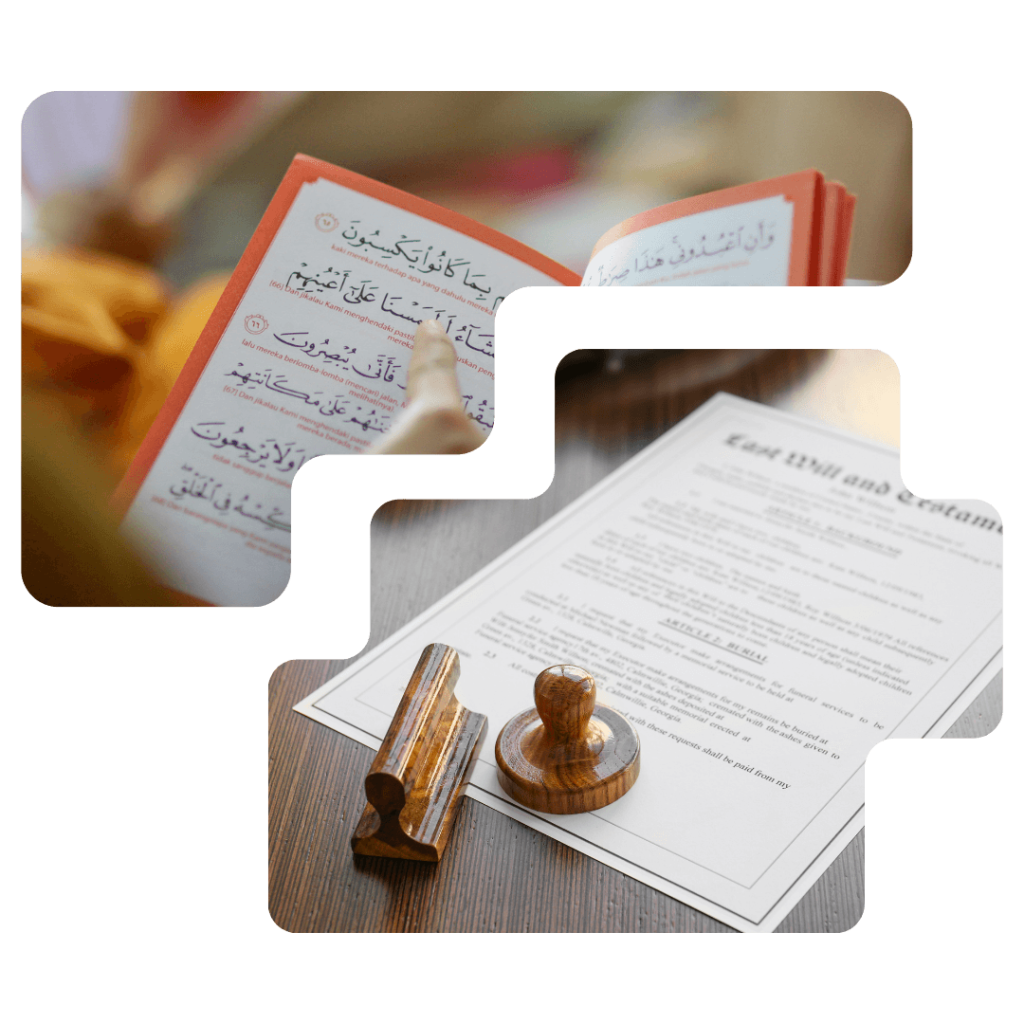
Ukrainian names may appear in Ukrainian Cyrillic, Latin passport transliteration and older documents using another spelling convention. UK institutions reviewing immigration, education or civil records may find those versions different even when they reflect a common source name. Translation should preserve the wording of the actual record and explain the language issue when appropriate. Understanding the source and intended use Use the spelling in the source document and identify whether it is Ukrainian or another language; different Cyrillic languages do not always transliterate identical letters in the same way. Ukrainian official transliteration conventions can differ from older personal or foreign records. An existing passport spelling is a useful reference but not a licence to replace the original source name. Patronymics, gendered endings and institution names may require care. Example of a material distinction A Ukrainian birth certificate uses the Cyrillic character ‘Г’, represented differently under some Ukrainian and other Slavic transliteration practices. A translator should apply a defensible Ukrainian-language convention and preserve any differing official passport spelling transparently. Review and project preparation Ask which authority will use the English translation and whether it has a specified transliteration practice. Compile a name-reference sheet when multiple documents refer to the same person, but do not assert that apparently similar spellings establish legal identity. Corrections to a civil record or passport belong to the relevant issuing authorities. Checklist The correct source record or approved research version should guide the language work. The instructing party should also identify who will review any specialist, legal or scientific aspects after translation. Confirm the source is Ukrainian and identify the original script. Provide complete certificates, passports and related records. Preserve patronymics, registered names and original annotations. Use a consistent linguistically appropriate rendering. Flag differences and check recipient evidence requirements. Responsibilities and limitations Transliteration notes do not replace official identity evidence or amend a civil register. Keeping versions and terminology consistent Maintain the link between every translated file and its source, including revision dates, document identifiers and important terminology decisions. Where a name, study form, witness statement or official certificate contains material ambiguity, request clarification or disclose it rather than presenting an invented certainty. A future update may require a fresh reviewed translation. Frequently asked questions Can translation resolve a legal, identity or scientific issue by itself? No. It can faithfully convey the source, but the relevant authority or qualified professional decides substantive matters. What should be supplied for a reliable result? Provide the complete and readable source, intended audience or recipient, language variety, applicable instructions and any approved terminology or supporting references. Related services and guidance For language support see related services or request a document or appointment review with your languages and deadline. Reviewed October 2026. This article contains general information, not legal, medical or regulatory advice. Related service: Birth certificate translation. Please check the intended use and document requirements before ordering.
Bengali Names: Spelling Consistency in English Documents
Bengali names written in Bangla script may appear in English under more than one spelling convention. A family may have documents issued in Bangladesh, India or elsewhere, using different Latin representations. When translations are prepared for official use, the priority is accurate representation of the source with transparent handling of name differences. Understanding the source and intended use Names can contain sounds that have no single fixed English spelling. The source-script form, the document’s administrative fields and any recorded English version all matter. Passport spellings help identify the user’s preferred or officially recorded Latin form, but should not be used to rewrite the source name silently. A difference between a family surname and a given name must not be resolved by assuming every document follows Western naming order. Example of a material distinction A Bengali birth registration uses one Latin spelling in an older passport and another on a later education certificate. A translator may identify a plausible linguistic relationship, but the authority reviewing the records decides whether more identity or name-change evidence is needed. Review and project preparation Ask for clear full source documents and note the jurisdiction and exact writing system. Some certificates include both Bengali and English columns; review the content of both rather than assuming the English section is a complete rendering. If a note about transliteration is appropriate, distinguish it from the original translated wording and do not claim it has corrected a civil-register discrepancy. Checklist The correct source record or approved research version should guide the language work. The instructing party should also identify who will review any specialist, legal or scientific aspects after translation. Confirm the document’s language, script and issuing authority. Provide full scans, stamps and any existing English fields. Record source-script names and passport references separately. Preserve name order and document-specific spelling variations. Check whether the recipient needs additional identity evidence. Responsibilities and limitations Transliteration is not independent confirmation of a person’s identity or legal surname. Keeping versions and terminology consistent Maintain the link between every translated file and its source, including revision dates, document identifiers and important terminology decisions. Where a name, study form, witness statement or official certificate contains material ambiguity, request clarification or disclose it rather than presenting an invented certainty. A future update may require a fresh reviewed translation. Frequently asked questions Can translation resolve a legal, identity or scientific issue by itself? No. It can faithfully convey the source, but the relevant authority or qualified professional decides substantive matters. What should be supplied for a reliable result? Provide the complete and readable source, intended audience or recipient, language variety, applicable instructions and any approved terminology or supporting references. Related services and guidance For language support see related services or request a document or appointment review with your languages and deadline. For other documents requiring Bengali-language support, see Bengali translation services. Reviewed October 2026. This article contains general information, not legal, medical or regulatory advice. Related service for bengali-name records: Birth certificate translation. The receiving organisation’s specific requirements should be confirmed separately.
Hindi and English on the Same Indian Document
Many Indian documents contain both Hindi and English, often in separate columns or sections. A receiving UK organisation may still need a translation if relevant information, stamps or handwritten notes appear only in Hindi. The presence of some English text does not prove that the document is completely readable or suitable for an official submission. Understanding the source and intended use Check each language field against the other rather than automatically assuming they are identical. A Hindi name may have several Latin spellings; administrative terms may be shortened in the English heading while the Hindi section contains a fuller meaning. Pay attention to Hindi numerals, issue dates, registry numbers, local place names and stamps. Translators should not silently prefer whichever version best matches a passport when the source fields differ. Example of a material distinction A birth record displays the person’s name in Hindi and an English transliteration, but a handwritten amendment in Hindi updates a parent’s name. Translating only the English lines omits the amendment. The translation should reflect the relevant source fields and flag a genuine discrepancy if one exists. Review and project preparation The recipient may decide that existing English fields are sufficient, or it may request a complete certified translation of the Hindi sections. A translation declaration should identify what was translated and which original pages it covers. India uses many languages besides Hindi, so do not assume an unfamiliar Indian-script stamp is Hindi without checking the actual writing system. Checklist The correct source record or approved research version should guide the language work. The instructing party should also identify who will review any specialist, legal or scientific aspects after translation. Provide all pages and reverse sides, including bilingual stamps. Identify the source language of every untranslated field. Keep names, dates and registry numbers traceable to the source. Check discrepancies without silently correcting official records. Confirm the receiving body’s exact certification requirements. Responsibilities and limitations A partly bilingual source does not automatically establish that every relevant field is in English or that the document is accepted. Keeping versions and terminology consistent Maintain the link between every translated file and its source, including revision dates, document identifiers and important terminology decisions. Where a name, study form, witness statement or official certificate contains material ambiguity, request clarification or disclose it rather than presenting an invented certainty. A future update may require a fresh reviewed translation. Frequently asked questions Can translation resolve a legal, identity or scientific issue by itself? No. It can faithfully convey the source, but the relevant authority or qualified professional decides substantive matters. What should be supplied for a reliable result? Provide the complete and readable source, intended audience or recipient, language variety, applicable instructions and any approved terminology or supporting references. Related services and guidance For language support see related services or request a document or appointment review with your languages and deadline. Reviewed October 2026. This article contains general information, not legal, medical or regulatory advice.
Spanish-Language Civil Records Across Different Countries
Spanish is an official language in many countries, but civil-registration practices are not uniform. Birth, marriage, death and divorce records can have different titles, formats, seals and legal functions depending on where they were issued. A translation should reflect the actual jurisdiction’s wording instead of assuming that one generic ‘Spanish certificate’ format applies everywhere. Main translation considerations Terms such as ‘acta’, ‘partida’, ‘certificado’ and ‘inscripción’ can have different administrative uses across records and countries. The issuing authority, legal status of the extract and accompanying annotations all matter. A translator should check the actual content and record details, not simply map a heading to a UK certificate title. Date conventions, name order, dual family surnames and marginal notes may also require explanation. Practical example A Latin American birth-register extract includes details of a later recognition of paternity. Translating the primary entry but ignoring a marginal note could omit material information. The translator should preserve the complete source and the recipient decides what evidential weight it carries. Preparing and reviewing the source Country-specific administrative terms may describe an extract, certified copy or other registry record. Translation cannot determine whether that record is the document a UK agency requires. Ask the recipient whether it needs a long-form record, apostille or another formal step. Legalisation of the foreign source is separate from certifying its English translation. Document checklist For a meaningful translation, provide the source in context and identify the authority, product team or professional who will review the final material. Do not rely on a translated term alone to establish the source’s legal or technical status. Identify the specific issuing country and civil registry. Provide every page, annotation and official seal. Preserve two-surname conventions and parentage fields accurately. Clarify ambiguous source legal terminology with context. Confirm the recipient’s original, certification and legalisation requirements. Limitations and responsibilities Translation does not authenticate overseas civil records or guarantee their legal recognition. Version control and terminology A change in product information, document date, personal details or underlying procedure can make an earlier translation obsolete. Retain a traceable source version and final review record. Where the language is safety-critical or involves regulated information, obtain the necessary subject-matter review independently of a linguistic certificate of accuracy. Frequently asked questions Is literal translation always sufficient? Not necessarily. Some terms need context or an explanatory note, but the translator should not change the substance of the original or invent a legal or technical meaning. Does certification establish regulatory or official acceptance? No. The recipient, regulator or responsible professional decides the non-linguistic requirements. Further reading and enquiry Read about related language services or request a document review with the source, intended recipient and deadline. For a related issue with personal names in official records, read birth certificate name-spelling differences. Reviewed October 2026. General information only; regulations and requirements may change.
Polish Diacritics in Identity and Civil Documents
Polish names can include letters such as ą, ć, ę, ł, ń, ó, ś, ź and ż. These are meaningful characters, not decorative marks. In some machine-readable systems or foreign-language forms, diacritics are omitted or represented differently. An accurate translation should preserve the original spelling and make any necessary romanised or simplified comparison transparent. Main translation considerations A Polish birth certificate may spell a name with ‘ł’ while a UK database or document uses ‘l’. That difference can reflect technical handling rather than an actual name change, but the translator should not assume it is irrelevant. Preserve the source exactly, use existing official Latin spellings as references and explain any transliteration convention if requested. There may also be differences in grammatical case endings in Polish records, which should not be confused with a legally different surname without careful analysis. Practical example A marriage record lists the bride’s name with a diacritic, while an older foreign-issued certificate omits the accent. The English translation should not erase the Polish character simply to force the records to match. A short note may help the receiving body understand the spelling issue. Preparing and reviewing the source Review complete documents, including bilingual columns and handwritten amendments. Names on older records may reflect historical spellings, regional conventions or administrative changes. A translator’s note can explain a language feature but cannot certify that two identity documents belong to the same person or correct the civil register. Document checklist For a meaningful translation, provide the source in context and identify the authority, product team or professional who will review the final material. Do not rely on a translated term alone to establish the source’s legal or technical status. Supply legible source records and relevant passport spellings. Preserve Polish letters and distinguish them from ordinary Latin substitutes. Check dates, names, grammatical forms and official annotations. Record any identity-spelling variations openly. Confirm the receiving body’s certified-translation instructions. Limitations and responsibilities Removing or explaining a diacritic does not establish identity or legal name equivalence. Version control and terminology A change in product information, document date, personal details or underlying procedure can make an earlier translation obsolete. Retain a traceable source version and final review record. Where the language is safety-critical or involves regulated information, obtain the necessary subject-matter review independently of a linguistic certificate of accuracy. Frequently asked questions Is literal translation always sufficient? Not necessarily. Some terms need context or an explanatory note, but the translator should not change the substance of the original or invent a legal or technical meaning. Does certification establish regulatory or official acceptance? No. The recipient, regulator or responsible professional decides the non-linguistic requirements. Further reading and enquiry Read about related language services or request a document review with the source, intended recipient and deadline. Reviewed October 2026. General information only; regulations and requirements may change. Related service for polish civil records: Birth certificate translation. The receiving organisation’s specific requirements should be confirmed separately.
Urdu Script vs Roman Urdu in Document Translation
Urdu is traditionally written in a Perso-Arabic script, commonly using Nastaliq styling. Roman Urdu refers to Urdu rendered using Latin letters, often informally in messages and online conversations. It is not one standardised spelling system, so the same word or name can appear in several Roman forms. Roman Urdu transliteration and English translation are different Roman Urdu uses Latin letters to represent spoken Urdu; translation into English instead conveys the meaning in another language. Converting Roman Urdu into Urdu script is a transliteration task, and there is no single standard spelling for informal Roman Urdu. An automatic converter or rewriting assistant may therefore produce ambiguous results, especially for names, legal evidence and messages without context. This article explains those distinctions; it does not offer a live converter. For official documents or sensitive communications, a professional linguist should check the original wording and intended use. Main translation considerations An official certificate in Urdu script should be translated from its actual wording rather than from an assumed Roman spelling. Names, dates, titles and locations may follow conventions that differ from English. A passport’s Latin rendering can help a translator understand identity references, but should not be used to alter the original-language document silently. In conversational Roman Urdu, spelling may vary significantly and context may determine whether a word is ambiguous. Practical example A WhatsApp message uses a Roman Urdu phrase that can be interpreted in more than one way depending on punctuation and context. The translator should check surrounding messages and indicate uncertainty if the source genuinely allows several readings rather than inventing a clearer statement. Preparing and reviewing the source Clients may need different work: Urdu-script-to-English certified document translation, an English translation of informal Roman Urdu chats or a bilingual transcript of speech. Written transliteration is not the same as translation. Courts, UKVI or other bodies can apply specific certification requirements; the recipient determines whether a translation or source copy is acceptable. Document checklist For a meaningful translation, provide the source in context and identify the authority, product team or professional who will review the final material. Do not rely on a translated term alone to establish the source’s legal or technical status. Identify whether the source is Urdu script, Roman Urdu or mixed languages. Provide complete pages, messages or recordings with context. Verify official names and numbers against the actual source. Distinguish word-for-word transliteration from translation of meaning. Check recipient-specific certification and evidential requirements. Limitations and responsibilities Romanising Urdu does not create a legally certified translation or prove the authenticity of an identity document. Version control and terminology A change in product information, document date, personal details or underlying procedure can make an earlier translation obsolete. Retain a traceable source version and final review record. Where the language is safety-critical or involves regulated information, obtain the necessary subject-matter review independently of a linguistic certificate of accuracy. Frequently asked questions Is literal translation always sufficient? Not necessarily. Some terms need context or an explanatory note, but the translator should not change the substance of the original or invent a legal or technical meaning. Does certification establish regulatory or official acceptance? No. The recipient, regulator or responsible professional decides the non-linguistic requirements. Further reading and enquiry Read about related language services or request a document review with the source, intended recipient and deadline. Reviewed October 2026. General information only; regulations and requirements may change.
Simplified vs Traditional Chinese for Official Documents
Chinese-language documents may use Simplified or Traditional characters, and the choice is not merely a decorative font change. Regional vocabulary, personal names, administrative conventions and document formats can differ. A translation into English should start from the script and wording actually printed on the source. What the source and context require Simplified characters are widely used in mainland China, while Traditional characters are used in Taiwan, Hong Kong and other settings, though language practice varies. Mandarin and Cantonese also represent different spoken-language contexts. Do not infer that the issuing jurisdiction or language variety is settled solely by seeing one character shape. The translator should identify the original institution, administrative terms and any romanised or English fields. Example: where meaning could be lost A Hong Kong document includes Traditional Chinese and English names, but the English name is not a word-for-word rendering of the Chinese characters. A certified English translation should reflect what each field states, not erase the original English field or force an invented correspondence. Practical review process Names can be romanised using different local conventions, including Pinyin and other systems. An English passport name can help with consistency but may not equal a literal rendering of the source. Preserve official record numbers, seals, annotations and actual dates, including any alternate calendars. The receiving organisation determines certification requirements. Checklist before translation or release Each project should use the correct source version and the actual intended audience or receiving organisation. A clear brief makes it possible to distinguish language work from separate professional and technical decisions. Identify the issuing jurisdiction and exact source script. Provide every page, stamp and bilingual annotation. Use correct administrative terminology for the source location. Check name romanisation against authorised ID records as reference. Preserve discrepancies openly where they affect identity. Limits of the language service Converting Chinese script or romanising a name does not validate an official record or establish identity. Maintaining quality after changes Changes to a source, form, app build or product instruction can make a previously approved translation out of date. Keep a record of the source version, the language edition and the reviewer responsible for the final decision. Where names, safety warnings, numerical values or regulated information are involved, any unresolved ambiguity should be flagged rather than silently adjusted. Frequently asked questions Can the source be translated without specialist review? The need for review depends on the material and intended use. Linguistic translation may be only one part of a medical, legal, technical or product-release process. Does a translated file guarantee approval or official acceptance? No. The relevant recipient, product owner or regulator applies its own requirements, independent of the language work. Further reading For language assistance see related services or request a document or project review, including your source, destination and deadline. Reviewed October 2026. This article contains general information; professional and platform requirements may change.
Arabic Names in English Translations: Transliteration Questions
Arabic names can have several linguistically plausible spellings in English because the scripts represent sounds differently. Personal names may include given names, patronymics and multiple family or tribal elements. A translation for official use should represent the source accurately while remaining traceable to passports and related identity records. What the source and context require Common differences include Mohamed/Muhammad, Hassan/Hasan and use or omission of ‘Al-‘ and hyphens. These are examples of potential transliteration variation, not evidence that two differently spelled people are automatically the same person. The translator should check source-script characters, name order, official registration fields and any existing authorised Latin spellings. A passport can be a useful reference without authorising silent alteration of the underlying civil record. Example: where meaning could be lost An Arabic marriage certificate gives a spouse’s full name in several elements, while a passport uses a shorter Latin spelling. A translated version should not delete the patronymic simply to match the passport. An appropriate explanatory note may be needed, and the receiving authority decides what identity evidence is sufficient. Practical review process Keep a name-control sheet for each document in an application, recording Arabic source spelling, passport rendering and any discrepancies. Pay attention to forms where ‘bin’, ‘bint’ or other naming elements identify relationships. Avoid treating these as identical to Western-style middle names in every country. A translation cannot correct a source-register error; that is a matter for the issuing authority. Checklist before translation or release Each project should use the correct source version and the actual intended audience or receiving organisation. A clear brief makes it possible to distinguish language work from separate professional and technical decisions. Provide clear full certificates, passports and relevant source records. Identify the issuing country and name fields on each document. Preserve Arabic spelling, name components and registry identifiers. Choose consistent transliteration without hiding real differences. Ask the receiving institution whether supporting identity evidence is needed. Limits of the language service Transliteration alone does not establish legal identity or guarantee acceptance of a name discrepancy. Maintaining quality after changes Changes to a source, form, app build or product instruction can make a previously approved translation out of date. Keep a record of the source version, the language edition and the reviewer responsible for the final decision. Where names, safety warnings, numerical values or regulated information are involved, any unresolved ambiguity should be flagged rather than silently adjusted. Frequently asked questions Can the source be translated without specialist review? The need for review depends on the material and intended use. Linguistic translation may be only one part of a medical, legal, technical or product-release process. Does a translated file guarantee approval or official acceptance? No. The relevant recipient, product owner or regulator applies its own requirements, independent of the language work. Further reading For language assistance see related services or request a document or project review, including your source, destination and deadline. For names appearing on translated marital records, see marriage certificate name transliteration. Reviewed October 2026. This article contains general information; professional and platform requirements may change. Related service for arabic-name records: Birth certificate translation. The receiving organisation’s specific requirements should be confirmed separately.
Consistent Name Transliteration Across Official Files
People may have names recorded in several writing systems and under different official spellings. Arabic, Cyrillic, Greek and other scripts can yield more than one reasonable Latin-letter transliteration. When documents are translated for immigration, study or legal matters, consistency helps reviewers connect records—but fidelity to the original remains essential. What to check Collect the actual source documents and identity spellings before translation. A translator can use the passport’s spelling as reference where it accurately represents the source name, but must not silently modify a birth certificate or marriage register. If the original script admits several transliterations, a clearly labelled note may help explain the choice. A note is not a correction to a civil register. Example A passport uses “Mohamed” and an old certificate could also be transliterated “Muhammad”. Changing the source record to suggest that it contains English letters would be misleading. An appropriate translation may preserve the source name and explain the transliteration difference transparently. Workflow and quality considerations Maintain a controlled name reference sheet listing each source-script form, document, accepted Latin rendering and any authorised explanation. If two names are genuinely different rather than alternate renderings, seek original identity or legal name-change evidence. Do not invent a narrative of identity equivalence for the applicant. Preparation checklist The exact requirements depend on the audience, source material and technical or official process. Before work begins, define the approved inputs and who will review the result. Collect complete originals and valid reference identity documents. Record source-script names and each document’s date. Choose a defensible transliteration convention. Keep differences visible where relevant and explain limitations. Ask the receiving body whether separate name-change evidence is required. Important limits Linguistic transliteration does not prove identity, legal name change or acceptance by a particular authority. Keeping the result accurate after changes Changes to the source, design or user journey can make a previously checked translation outdated. Maintain the source version, glossary and review status, and recheck material that has been updated. Where text carries legal, clinical or safety significance, substantive meaning must take precedence over convenient layout or marketing preferences. Frequently asked questions Is automated checking sufficient? Automated tools can identify many technical or consistency issues. They cannot independently establish the intended meaning or appropriateness of every term, especially with ambiguous source content. Does translation make the material officially compliant? No. The product owner, recipient or appropriately qualified specialist must determine the applicable non-linguistic requirements. Related service Explore related language services or send a project enquiry with the languages and intended use. For a related comparison, see how name-spelling differences arise in birth certificate translations. Reviewed October 2026. General guidance; official and technical requirements may change.